Akchour Waterfalls and God's Bridge: The Complete Guide from Chefchaouen
How to get there, the three walks, when to go, and what the day actually involves
Akchour is the most popular day trip from Chefchaouen, and the one visitors ask us about most. It is also the one people most often get wrong: they arrive at midday in the wrong shoes, start walking towards the big waterfall at three in the afternoon, and turn back halfway. This guide covers what the walk actually involves, so you can plan it properly.
Where Akchour is and how to get there
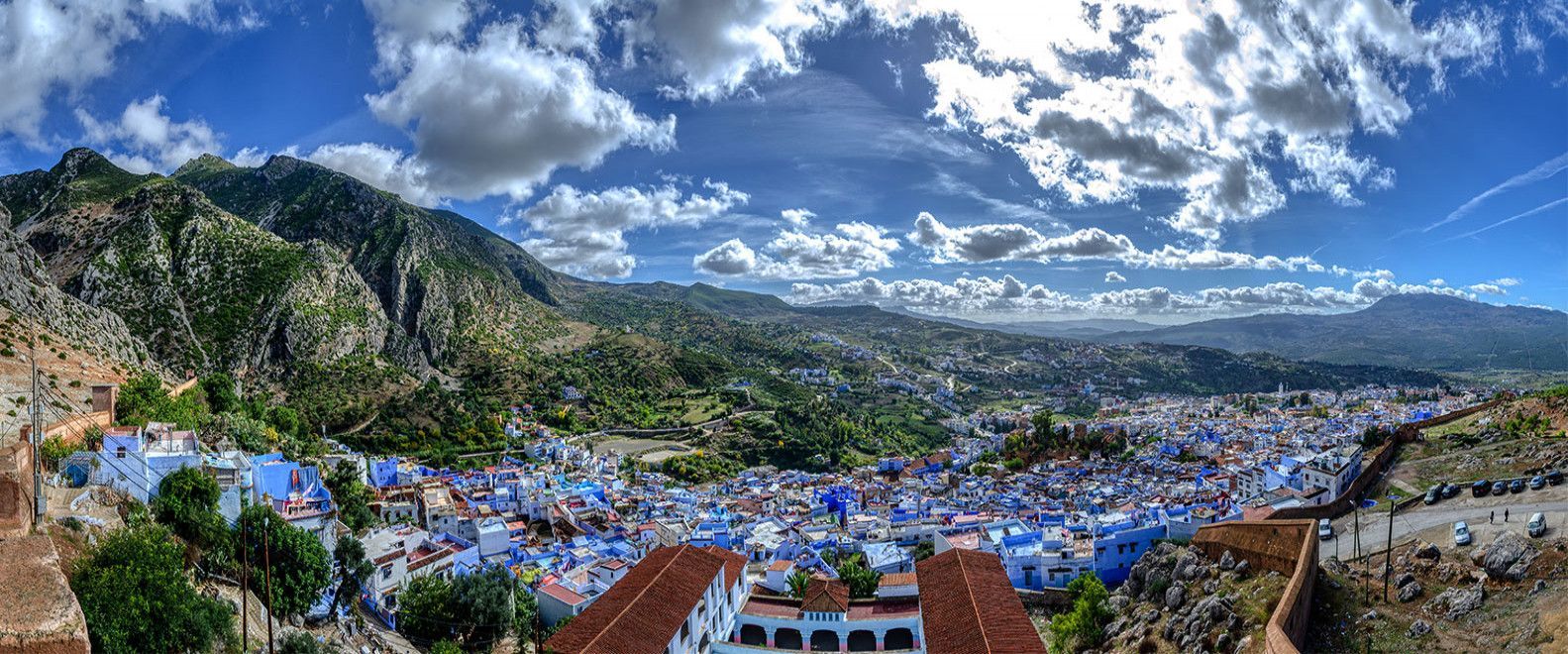
Akchour sits about 30 km north-east of Chefchaouen, inside Talassemtane National Park, at the end of a mountain road that follows the Oued Farda up into the Rif. The drive takes roughly 45 minutes.
Shared grand taxis leave Chefchaouen when they fill up. They are cheap, they are the local way of doing it, and they come with one catch: the last taxis back leave in the late afternoon, and if you miss them you are negotiating a private ride in the dark. If you walk to the big waterfall you need to keep an eye on the clock from the start.
A private transfer or an organised tour removes that problem, because the driver waits for you.
The three walks at Akchour
Most people think of Akchour as one hike. It is really three, starting from the same point near the small dam, and they are very different in effort.
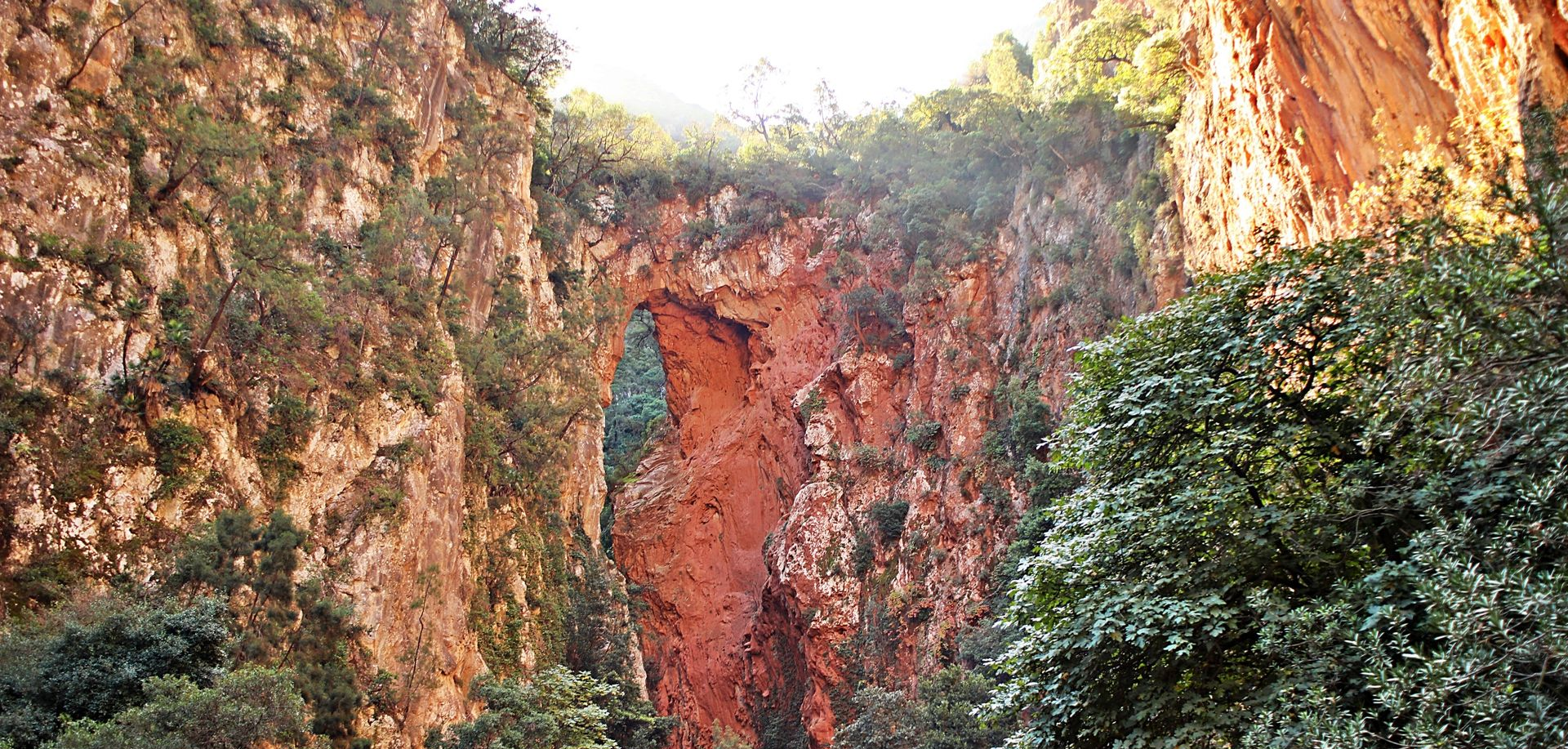
God's Bridge is a natural rock arch high above the river, formed by the water cutting through the limestone. The path climbs steeply away from the river and takes around 45 minutes each way. There are cafés at the viewpoint where you can sit with a mint tea and look straight through the arch. It is the shortest of the three and the best option if you only have a few hours.
The Small Waterfalls are about an hour upstream along the river, on a mostly flat path that crosses the water a few times. There are pools at the bottom where people swim in summer. This is the easiest walk and the one that suits families and anyone who wants the scenery without the climb.
The Grand Cascade, the big waterfall, is the serious one. It lies around two hours beyond the trailhead, so four to five hours of walking round trip, with rocky ground, exposed sections above the river and crossings that depend on the water level. The reward is a waterfall dropping into a deep green pool at the head of the valley, and far fewer people than at the lower falls.
How hard is it, really
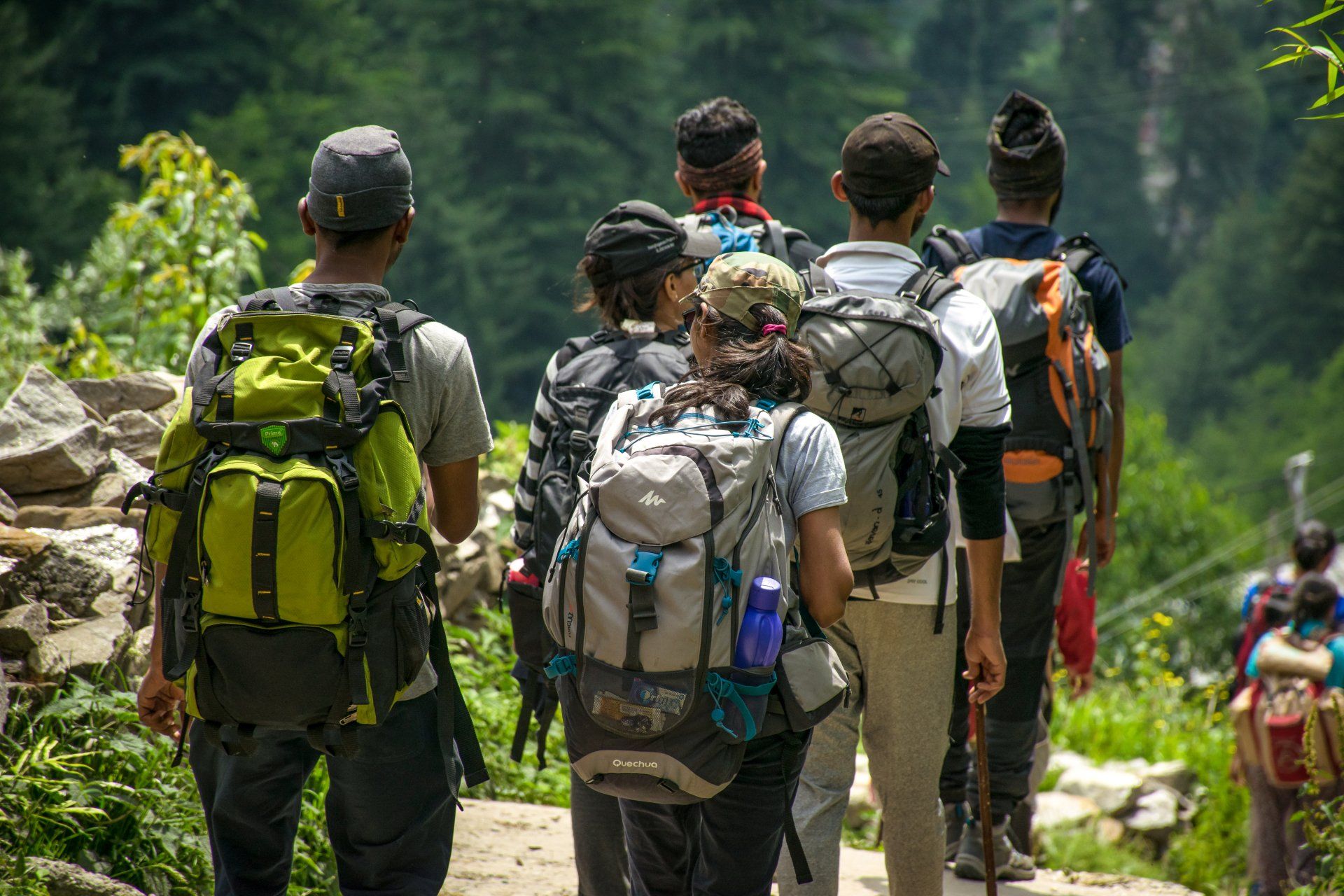
None of it is technical climbing, but none of it is a stroll either. The ground is rock and river stone, often wet, and the path to the big waterfall involves scrambling and crossing the river on stones and makeshift bridges. Trainers with worn soles are the single most common mistake we see.
If you are reasonably fit and comfortable on uneven ground, the big waterfall is within reach. If you are not sure, do God's Bridge and the small falls and enjoy the day instead of enduring it.
When to go
Spring, from March to May, is the best time. The river is full, the valley is green, and the temperature is comfortable all day.
Autumn, from September to November, is the quiet season and still very good. Water levels are lower, which makes the crossings easier.
Summer is hot and busy. Go early, bring more water than you think you need, and plan to swim.
Winter brings the most dramatic water, but also the most risk. After heavy rain some crossings become impossible and the rock is slippery. This is the season when a guide stops being optional.
What to bring
Hiking shoes or boots with real grip, not trainers. At least two litres of water. Sun hat and sunscreen, because large stretches of the path have no shade. Swimwear and a towel in summer. Cash in small notes for the taxi, the cafés and lunch, as nowhere up the valley takes cards.
Eating at Akchour
Small riverside cafés are scattered along the lower part of the walk and at the God's Bridge viewpoint. They serve tagine, omelette, bread and mint tea, cooked simply and slowly. Order before you walk up if you want lunch ready when you come back down.
Going on your own or with a guide
The path to the small waterfalls is easy to follow and plenty of people do it independently. The big waterfall and God's Bridge are a different matter: the route is unmarked in places, the crossings change with the water, and the timing has to work backwards from the last taxi.
A local guide handles the transport, reads the river, sets a pace that gets you back in daylight, and knows which café is worth stopping at. On our shared Akchour tour we leave Chefchaouen in the morning and adjust the route to the water level and the group, which in practice is what makes the difference between a good day and a long one.
Making it part of something longer
Akchour also works as the end of a trek rather than a day out. Our
two-day route walks from Chefchaouen over the mountains, through the villages of Tissouka and Afeska, and comes down into Akchour on the second day. You arrive at the waterfalls on foot, from above, having seen a side of the Rif that the day-trippers never reach.
There is one date when Akchour stops being a day out and becomes a staging post. On 2 August 2027 a total solar eclipse crosses northern Morocco, and our
walking routes to the coast for the eclipse pass straight through here on the way down to the sea.
Common questions
- How long does Akchour take? Half a day for God's Bridge or the small falls, a full day for the big waterfall.
- Can you swim? Yes, in the pools below the small waterfalls and at the big waterfall. The water is cold all year.
- Is there an entrance fee? There is no official fee to enter the park. Budget cash for the taxi, tea and lunch.
- Do children manage it? The small waterfalls, yes, from around six or seven years old. The big waterfall is too long and too rough for young children.
- Is it worth it in one day from Tangier or Fes? It can be done, but it makes for a very long day. Akchour is best from a base in Chefchaouen.